

How to vote
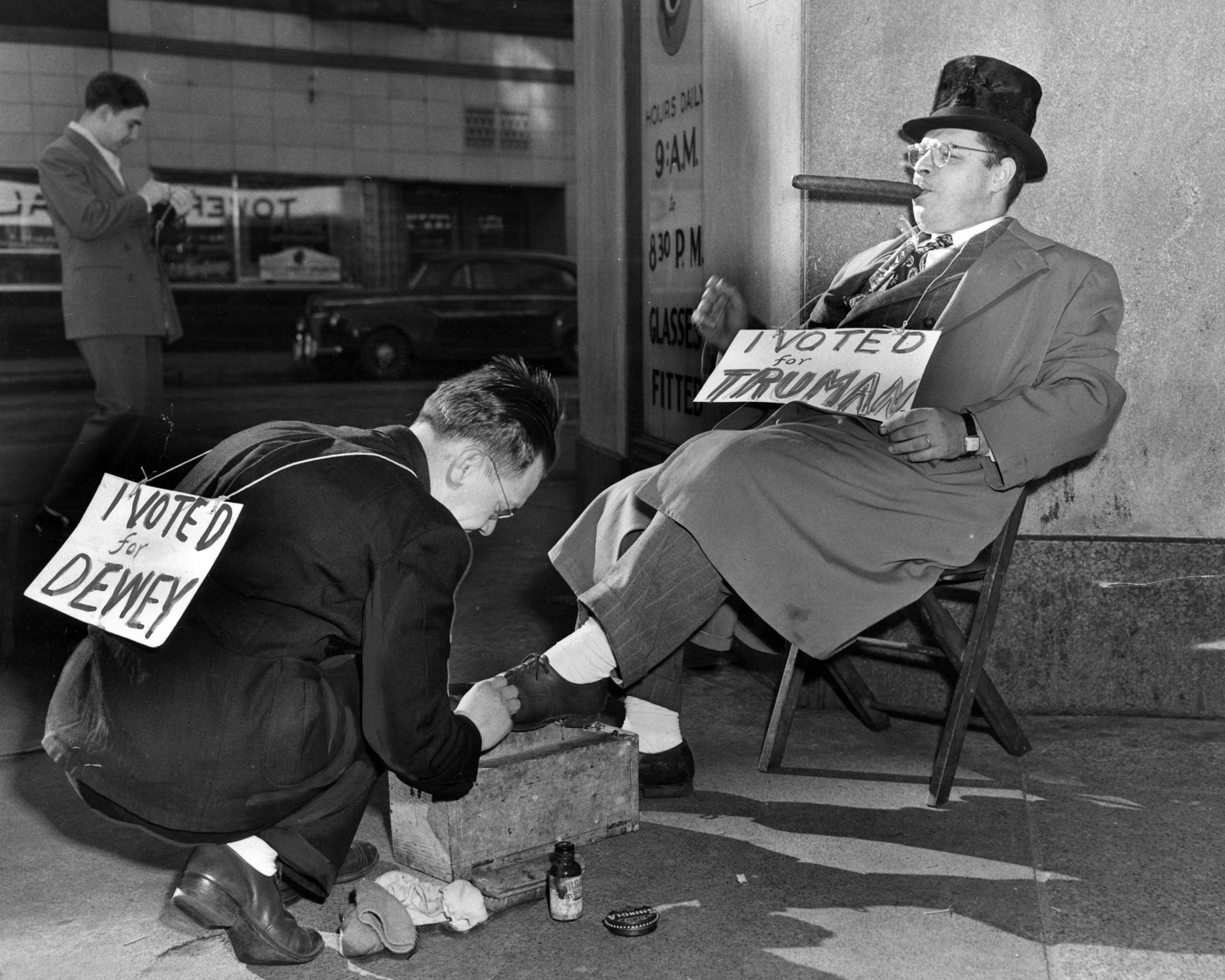
Greetings from Election Day in New York City. We should learn tonight who Hizzoner will be for the next four years.
Although I was born in Manhattan, this is the first mayoral election I’ve witnessed since I moved back to New York, and the experience has prompted a number of observations.
First, it’s a strange phenomenon to live in a city where your local mayoral election is international news. I spent most of my twenties in Chicago, and during the early years worked closely with city government, so as a consequence local politics meant a lot to me. I saw firsthand how elected officials, public servants, and private citizens could shape a city through their collaboration and disagreement.
But even in the Windy City, New York loomed large. You know what I found in the basement office of a Chicago Police Department sergeant while interviewing him about potential reform measures? A stuffed rat with the name of the mayor on it. It wasn’t our mayor’s name though, it was Bill de Blasio’s.
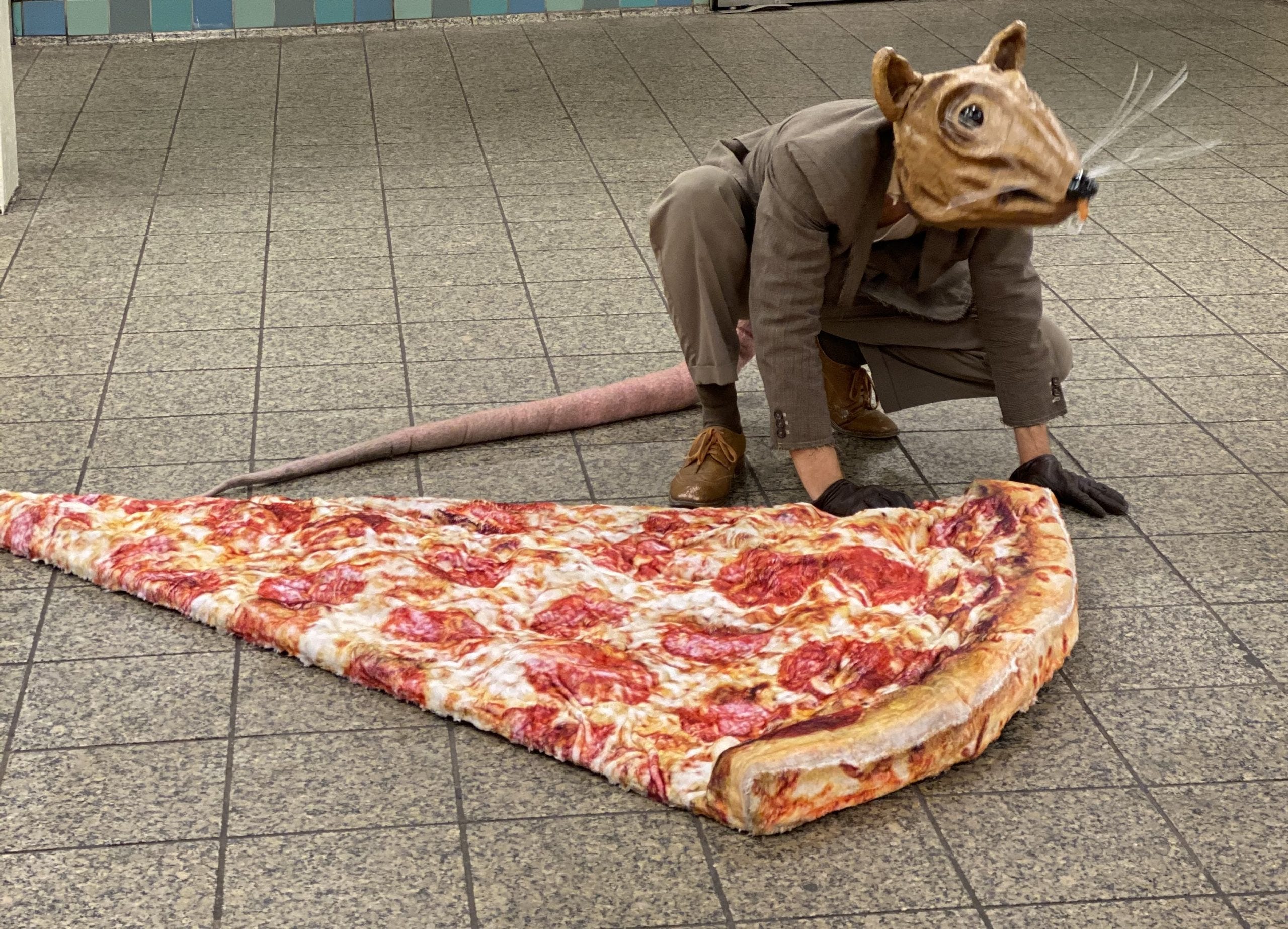
See, Chicago’s mayor had sway, but the mayor of New York stands alone in terms of national and international prominence. It’s appropriate for a metropolis that ranks among the greatest of the world’s cities. This is even more true this year, when the leading candidate happens to be the first person to consistently excite wide swaths of a historically weak and disliked Democratic Party.
It is likely in large part because of that candidate, Zohran Mamdani, that my second observation is just how intense this particular mayoral election is.
In fact, depending on the level of vitriol in your particular algorithmic bubble, New York will either be electing an antisemitic radical communist or a serial abuser of women, craven in his politics and desperate to cling to power.1
This dynamic concerns me.
If every time we pull the lever in the booth we feel like we’re choosing between the Devil from the Bible and humanity’s last and greatest hope, we’re fundamentally playing our elections wrong. As is true in most situations in life, almost no one is as bad as you suspect they are or as good as you would like them to be. Our leaders are no different.
Do they sometimes do terrible things, either in power or previously, over the course of a lifetime? Absolutely. Do their ideas deserve to be examined, weighed, studied, and criticized? You bet. Does a media environment that thrives on negativity and pitting neighbor against neighbor exacerbate the problem? I promise you it does.
I’m concerned when it feels like the choice is between the good person and the evil person, because a decent society doesn’t produce those two types of people in equal measure, and all of us are broken in some way or another. But beyond my concern for picking between the two, I’m worried about how framing our elections in those terms shapes how we think and treat each other.
This leads to my last observation, and the one I’d like you to worry about the most. People are far too comfortable discarding, dehumanizing, or disparaging from other people just because they vote differently.
Since early voting started in New York I’ve seen torrents of hate erupt online. Fighting about politics seems to be half of the reason social media was invented, and I love the idea of a little debate, but what I’ve seen goes far beyond that. Sure, some of it is “it’s just a joke man, don’t be such a buzzkill.” Some of it is AI slop. Hell, some of it’s probably sponsored by the GRU. But lots of it happens to be American citizens questioning the integrity or humanity of other American citizens because of how they chose to vote.
And I get it—I grew up in the same political milieu the rest of us did. Every election feels existential. Every opponent heralds a threat of the end-times. Everyone is just so damn tired.
I wonder if those phenomena are related?
If at this point you’d like to shout at me because elections do matter, some people are acting horribly with the power they’re given, and there is very real damage occurring to our world and the people in it because of how elections play out, let me just say I get it. I really do. I love our country and care about our politics. I know elections matter. There’s no feeling of anger or despair or disdain you could feel regarding your political opinions or those of others that I haven’t felt some measure of in my own life.
But increasingly I’m suspicious that no improvements to our society are being made because we demonize the people who vote differently from us. I just don’t see any endgame there that doesn’t elicit more intensity, chaos, and violence.
I’m not suggesting that you shouldn’t be deeply concerned with how you vote personally, or that you shouldn’t campaign to affect how others vote, but if your reaction to people voting differently from you is to attack them—however real the threat the person they’ve voted for poses to you and your—I don’t think you’re actually doing anything to make the situation better.
Today in New York City, good people voted for Zohran Mamdani, good people voted for Andrew Cuomo, and good people voted for Curtis Sliwa. The logic of democracy rests on the idea that there are good people on both sides who can be persuaded to change their vote through force of argument, not through force of arms. All of us will be better served when we see people who vote differently from us not as enemies to be discarded but as opportunities to convert to our point of view.
Happy Election Day.
Thanks for tuning in. As always, if you love every word or if you think I’m the internet’s dumbest boy, feel free to let me know directly or in the comments. See you next time.
Sorry Mr. Sliwa, I’m a big fan of your debate one-liners but there is not pathway to victory for you.